Strategy and evidence for action

We are living in an age of radical uncertainty. Crises are no longer episodic—they are ongoing and overlapping, reshaping how societies, economies, and institutions function. The way we generate and use evidence for decision-making can no longer stay the same.

Too many monitoring and evaluation systems were built for a different era. Profound political change, scarce resources, and rapid technological advances leave organisations no choice but to urgently transform how they use evidence to make decisions.

Transforming evidence systems is not simple. It requires deep technical expertise, practical experience of supporting change, creativity, and comfort with uncertainty. This is where Indicate Impact comes in.

How We Work

Indicate Impact is an independent enterprise that partners with organisations to strengthen their development impact. We help them generate and use timely, useful information that supports learning, adaptation, and action.

Our approach goes beyond data collection and reporting. We work with organisations to curate evidence and knowledge that sparks meaningful conversations, informs strategic choices, and leads to stronger outcomes. From early ideas through to implementation and results, we support the full impact journey by helping partners clarify what information matters most and how to use it well.

Rooted in the Global South and working internationally, we bring deep experience transforming monitoring, evaluation, and learning practices across diverse contexts and sectors, including business, academia, government, civil society, and multilateral development institutions. We do not just help organisations measure results. We support them to achieve greater impact.

What we Do

Strategy and Convening

We work with clients to assess and rethink their systems, drawing on our deep knowledge of tools and approaches for designing, assessing, and improving monitoring and evaluation systems. Through interactive and participatory processes, we help clarify what needs to change, why it matters, and and how change can happen in practice. We also convene actors across organisations and sectors to build alignment, foster shared learning, and support collective action on complex challenges.

Evidence and Studies

We conduct diagnostics, evaluations, policy design work, and other evidence-based analyses that generate actionable insight and inform real decisions. Our work is rigorous, relevant, and directly connected to policy, programmatic, and institutional needs. Each engagement is designed to build partner capacity, transfer knowledge and skills, and strengthen systems over time, reducing reliance on external support.

Training and Incentives System Development

We design tailored training and system development programs for leaders and technical teams that not only strengthen skills but also address incentives, behaviours, and organisational culture—encouraging increased openness to evaluation and stronger ownership of evidence. Our approach helps move evidence systems from compliance-driven reporting to genuine learning and use. By combining technical training with practical strategies to embed evaluation, learning, and continuous improvement into everyday practice, we support lasting change in how decisions are made.

About us


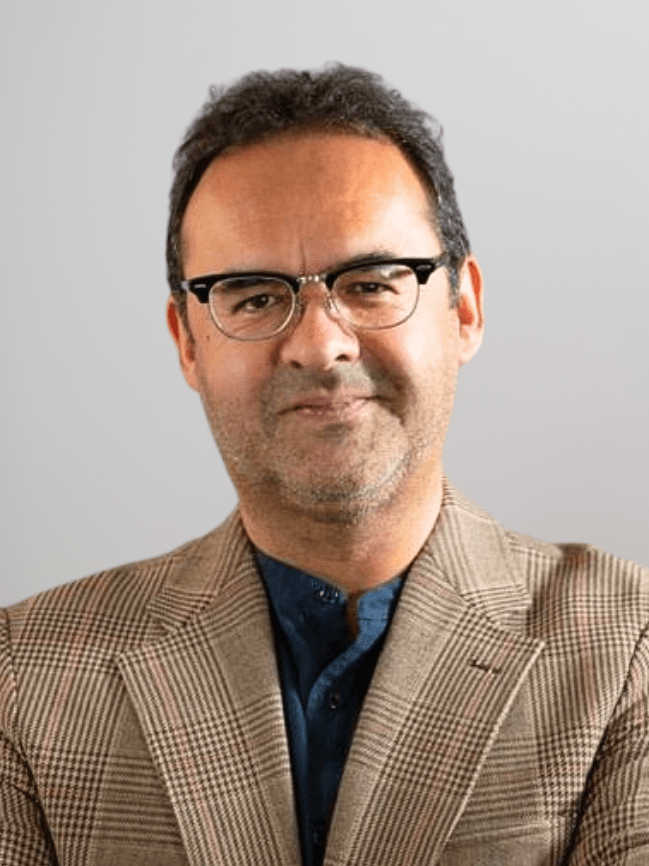
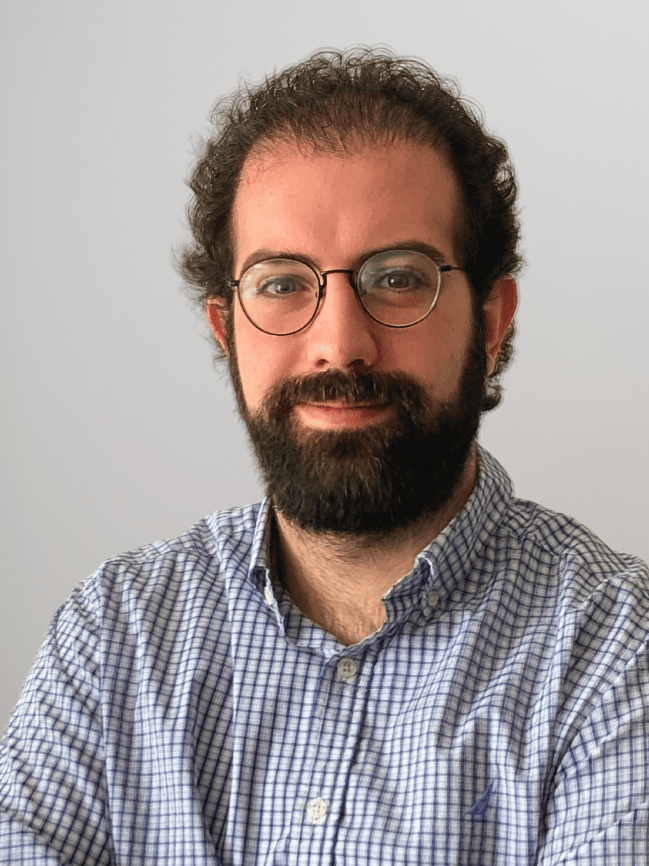
Dugan Fraser

Co-Founder
Strategy, Evaluation & Learning

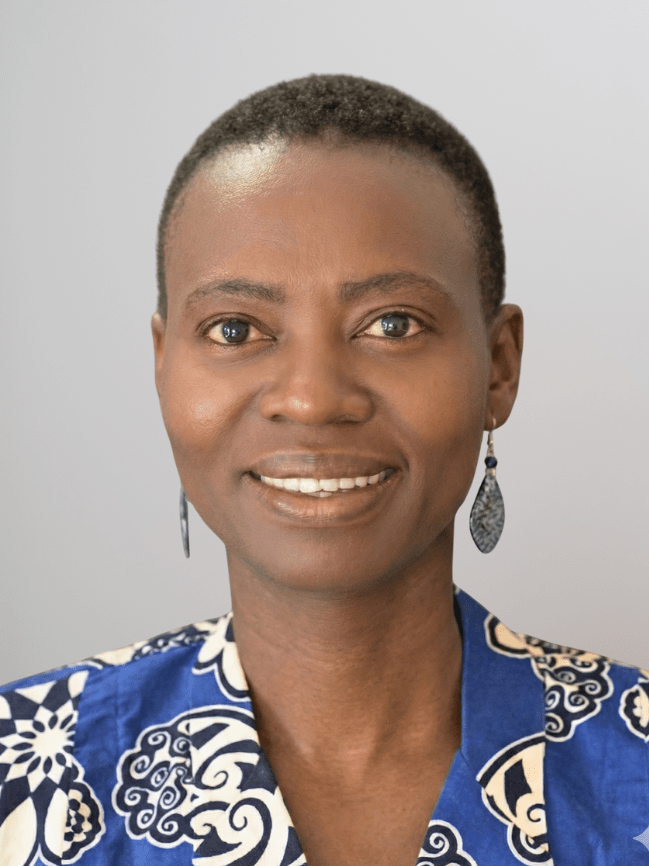
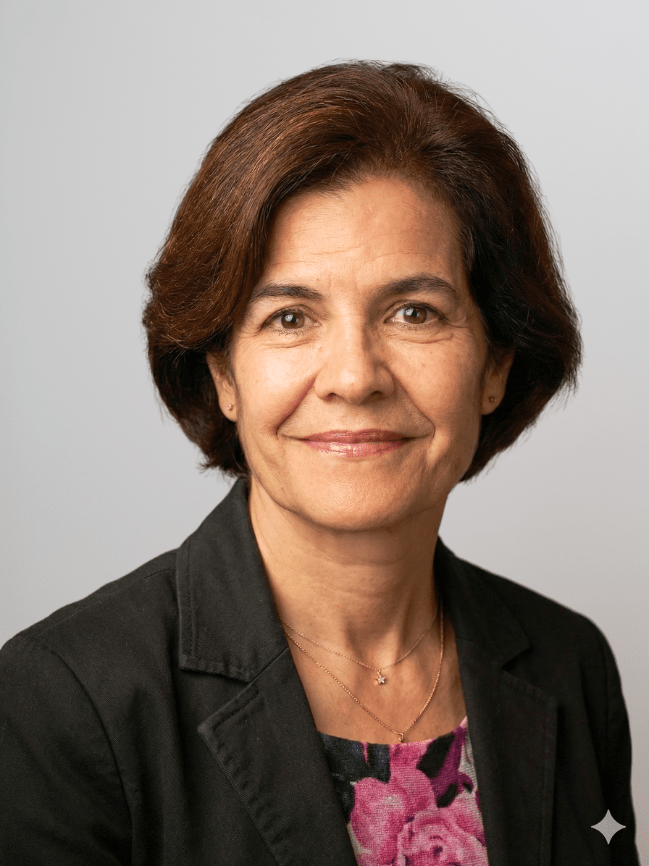
Lycia Lima

Co-Founder
Impact, Evaluation & Learning

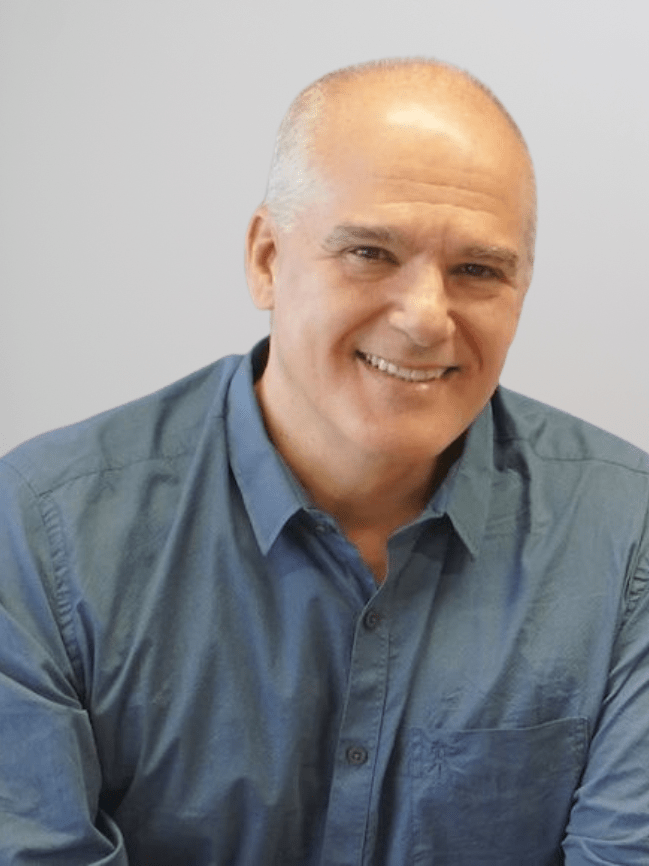
Thania de la Garza

Co-Founder
Evidence, Training & Systems

Our Network

Across all our areas of work, we draw on a global network of international consultants and collaborators spanning multiple disciplines, ensuring depth, flexibility, and context-specific expertise.
Footprint Evaluation
The Footprint Evaluation Initiative is a practitioners’ collaboration that develops and shares tools, guidance, and strategies to integrate environmental sustainability into all evaluations. It is based on explorations of the different types of connections between human and natural systems. The Initiative is an emerging set of practices and principles developed through ongoing international collaboration and adaptation to suit different contexts.

Indicate Impact acts as a host for the Footprint initiative and can contract on its behalf. Contact us to find out more.

Let’s work together

email us: info@indicateimpact.com

Co-Founder | Strategy, Evaluation & Learning

Dugan is a strategy, evaluation, and learning specialist with senior leadership experience in global evaluation and evidence systems.

He previously served as Program Manager of the Global Evaluation Initiative at the World Bank’s Independent Evaluation Group, where he led strategy development and implementation, stakeholder engagement, and program operations. Prior to that, he was Director of the Centre for Learning on Evaluation and Results, Anglophone Africa at the University of the Witwatersrand and an Adjunct Professor, leading monitoring and evaluation capacity development initiatives across Africa.

Dugan has extensive experience as a consultant and adviser on large public systems, supporting governments and international organisations, and philanthropies to use evidence for learning, accountability, and performance improvement. His work is grounded in the belief that clear strategy and purposeful learning are essential to building strong institutions, advancing social justice, and strengthening democratic governance.

Co-Founder | Impact, Evaluation & Learning

Lycia is a technical leader in impact and evaluation, and an applied microeconomist with deep expertise in evaluation methods and evidence-based policy design. She combines this technical knowledge with senior leadership experience across academia, government, and international organisations. Currently, she is a Professor of Public Policy at the São Paulo School of Economics (FGV EESP) and has worked extensively across Latin America, Africa, Europe, and the United States.

Lycia holds a Ph.D. in Public Administration and Government from FGV and a Master’s degree in Development Economics from SOAS, University of London. Her work focuses on policy design and evaluation, particularly in human capital, social impact, and climate action. She helps institutions develop data-driven, evidence-based approaches tailored to their specific goals and operational needs.

Co-Founder | Evidence, Training & Behavioral Systems

Thania is a senior evaluation and public policy specialist with over 20 years of experience helping governments and international organisations transform how they use evidence to improve policies and outcomes.

She previously served as Head of the Evaluation Unit at CONEVAL (Mexico’s National Council for the Evaluation of Social Development Policy), where she led the national evaluation system, coordinated more than 2,800 evaluations, and worked closely with senior government officials to institutionalise the use of evidence in decision-making.

Thania has worked with UN agencies, governments, development banks, and foundations across Latin America, the Caribbean, MENA, and Central Asia to support evaluation system reforms, strategic evaluations, synthesis studies, and large-scale capacity development initiatives.

Her work focuses on strengthening institutions, designing incentive structures and practical mechanisms, and embedding evaluation and learning into everyday decision-making—helping organisations move from compliance-driven evaluation to real use of evidence for learning, accountability, and improved public outcomes.

Alonso M. de Erice Domínguez

Alonso M. de Erice Domínguez is an independent evaluation consultant based in Mexico, with over ten years of experience in monitoring and evaluation. He specializes in the design, implementation, and strengthening of national M&E systems and program evaluations. He has worked with international organizations including the World Bank, IDB, FAO, and the Global Evaluation Initiative, and previously held senior technical and coordination roles at CONEVAL, Mexico’s national evaluation body. His work spans Latin America, the Caribbean, and other regions, including south-south cooperation with more than seven countries.

Ana María Linares

Ana María Linares is a senior evaluation professional from Colombia with over thirty years of experience in international development and evaluation. She spent more than a decade at the Inter-American Development Bank’s Office of Evaluation and Oversight, where she led corporate evaluations, advised on evaluation policy, and served as Acting Director. Her career includes extensive work across Latin America and the Caribbean, as well as global engagements through multilateral development banks, UN agencies, and international evaluation networks.

Gonzalo Hernández Licona

Gonzalo Hernández Licona is an economist based in Mexico with more than twenty-five years of experience in social policy evaluation, poverty measurement, and evidence-informed policymaking. He is the founding Executive Secretary of CONEVAL and has held senior advisory and research roles with organizations such as 3ie, the United Nations, UNICEF, IFAD, IPA, and the Global Evaluation Initiative. His work has influenced evaluation systems and policy debates in more than sixty countries worldwide. Currently, he is the director of the Social Observatory of the Centro de Estudios Espinosa Yglesias (CEEY), a Mexican think tank.

Matodzi M. Amisi

Matodzi M. Amisi is a senior evaluation and research professional from South Africa with over fifteen years of experience in monitoring and evaluation, evidence systems, and public sector capacity building. She played a central role in building South Africa’s National Evaluation System while serving as Director of Evaluation in the Presidency’s Department of Planning, Monitoring and Evaluation, and has since worked as an independent consultant and advisor. Her career includes extensive work across Africa on evaluation systems strengthening and evidence use, with a strong substantive focus on violence prevention, particularly interventions addressing violence against women and children.

Patricia Rogers

Patricia J. Rogers is a senior evaluation expert based in Australia with more than forty years of experience in evaluation practice, research, teaching, and evaluation capacity strengthening. She is the founder of BetterEvaluation, a global open-access platform supporting informed choices about evaluation methods and processes. Her work spans government, development banks, UN agencies, NGOs, and philanthropic organizations, with extensive international engagement across multiple regions. She is widely recognized for her contributions to theory-based evaluation, evaluation of complex interventions, and the practical use of theories of change.

Andy Rowe

Andy Rowe is an evaluation economist based in Canada with more than four decades of experience in evaluation, environmental sustainability, and international development. He has worked extensively with governments, development banks, UN agencies, and philanthropic foundations, leading and advising complex evaluations across climate change, natural resource management, conflict resolution, and governance. He is a founding member of the Footprint Evaluation Initiative and has worked across Africa, Asia, Latin America, the Caribbean, Europe, and the Pacific, with professional experience spanning more than fifteen countries.

E. Jane Davidson

E. Jane Davidson is an internationally recognized evaluation specialist based in the United States, with over thirty years of experience in evaluation theory, practice, and capacity building. She is best known for developing evaluation rubrics as a methodology for making clear evaluative judgments and has contributed extensively to qualitative and mixed-methods causal inference, synthesis, and sustainability-inclusive evaluation. She is a founding member of the Footprint Evaluation Initiative and has worked with governments, foundations, UN agencies, and development organizations across North America, Europe, Africa, Asia, Latin America, and Oceania.

Thomaz Kauark Chianca

Thomaz Kauark Chianca is an international program evaluation consultant based in Brazil with more than twenty-five years of experience working across over twenty-seven countries in Latin America, Africa, Europe, Asia, and North America. He leads COMEA Relevant Evaluations and has worked extensively with foundations, NGOs, governments, and international cooperation agencies. His recent work focuses on rubric-enhanced evaluation, theory of change, and sustainability-inclusive evaluation, including as a core member of the Footprint Evaluation Initiative. His sectoral experience spans early childhood development, education, environmental sustainability, gender equity, poverty reduction, and systems change.